
A sports smartwatch is a wearable sensor that measures physiological and geolocation data during exercise. The choice of a model depends less on the number of features listed on the product sheet than on the reliability of three components: the GPS module, the heart rate sensor, and battery management. Understanding what each contributes helps avoid a poorly calibrated purchase relative to one’s practice.
GPS Accuracy: The Criterion That Distinguishes Sports Watches from General-Purpose Smartwatches
The built-in GPS remains the most variable component from one watch to another. Two models both displaying “GPS” on their technical sheet can produce very different tracks in the forest or in the city, where signals bounce off buildings and the canopy.
Watches focused on pure sports, such as the Garmin Forerunner or Coros Vertix ranges, use multi-band chips (L1 + L5) that capture multiple satellite frequencies simultaneously. The gain is measurable in the field: fewer dropouts in the tight turns of a trail, a final mileage closer to reality in an urban half-marathon.
Mixed watches (Apple Watch, Samsung Galaxy Watch) come with a decent GPS for everyday use, but their architecture prioritizes the software ecosystem and notifications. For a runner who adjusts their pace to the meter, this compromise can be problematic. Recent comparisons, particularly on Frandroid, position the Garmin Forerunner 970 as a high-end reference specifically for GPS accuracy in running.
Comparing models on tictacsport.fr allows for quick filtering of watches based on the type of GPS chip embedded and the targeted sport.
Wrist Heart Rate Sensor: Reliability and Technical Limitations
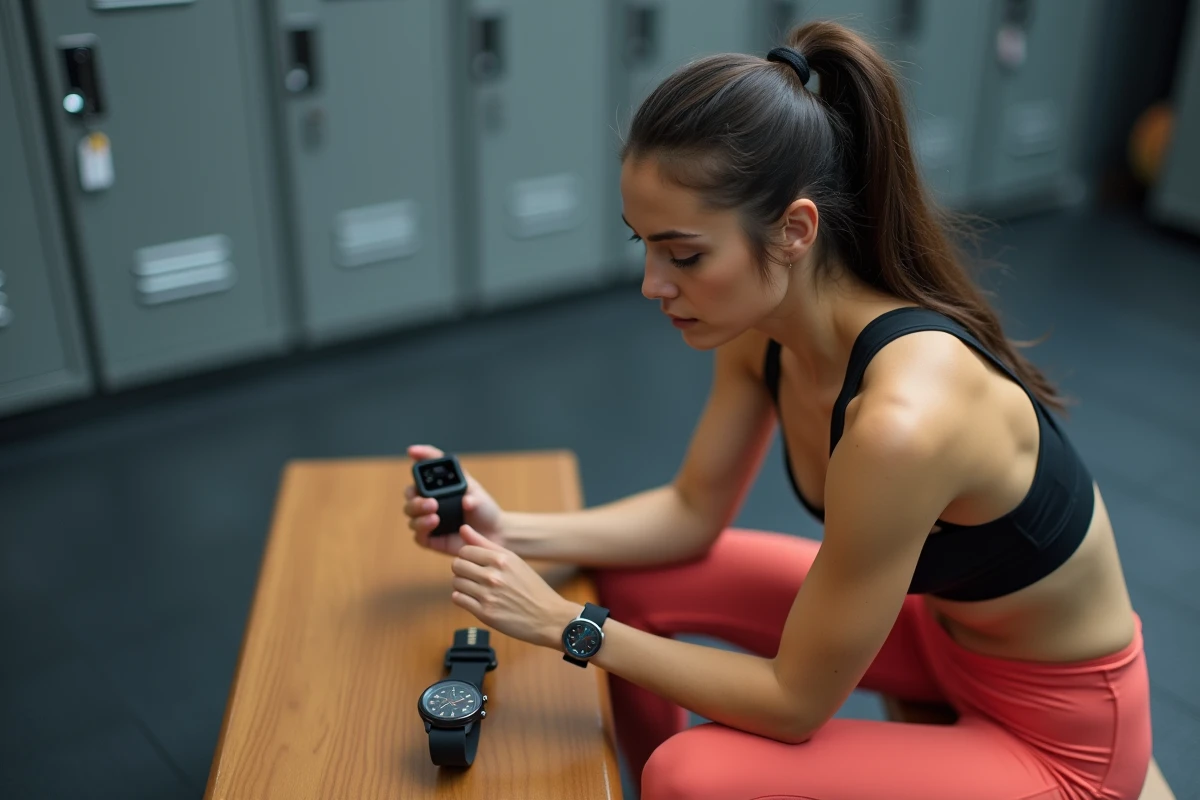
The optical heart rate works through photoplethysmography: green LEDs penetrate the skin and a sensor measures variations in blood flow. This technology has progressed, but it remains subject to physical constraints that marketing rarely mentions.
The tightness of the strap directly influences the reading. A strap that is too loose allows stray light to enter, which distorts the measurement during sudden movements (CrossFit, rowing, weightlifting). In swimming, water pressure paradoxically improves contact, but cold can reduce peripheral blood flow and degrade the signal.
An optical sensor is sufficient for monitoring cardio zones in endurance, typically running, cycling, or hiking at a steady pace. For intense interval training or precise medical monitoring, a Bluetooth chest strap remains more reliable, regardless of the watch model.
Polar and Garmin offer different smoothing algorithms. Polar has historically had strong expertise in heart rate variability, resulting in more detailed recovery metrics on models like the Polar Grit X2 Pro.
Battery Life and Screen Type: The Compromise to Decide Based on Practice
Battery life depends on two main factors: the type of screen and the frequency of GPS activation. An AMOLED screen displays vibrant colors and excellent readability but consumes more power than a transreflective MIP (Memory-in-Pixel) screen. Garmin Fenix or Suunto Race watches with MIP screens can last several weeks in watch mode and several dozen hours in active GPS mode.
Conversely, an AMOLED watch like the Garmin Venu 4 or Apple Watch will last a few days in mixed use, and significantly less with GPS continuously activated. For an ultra-trailer or a long-distance hiker, GPS battery life is more critical than any other feature.
- Urban running use (one-hour outings): an AMOLED screen is suitable; daily or every two days charging is manageable.
- Trail and long hiking (more than six hours of continuous GPS): a MIP or transreflective screen ensures you won’t run out of battery before the end of the effort.
- Mixed sports and daily use: AMOLED models with a disable-able always-on mode offer the best compromise between readability and endurance.
Single Sport or Multisport: Adapting the Watch to Actual Practice
The market has segmented between watches designed for pure training and watches oriented towards mixed sports and daily life. This distinction changes the purchasing logic.
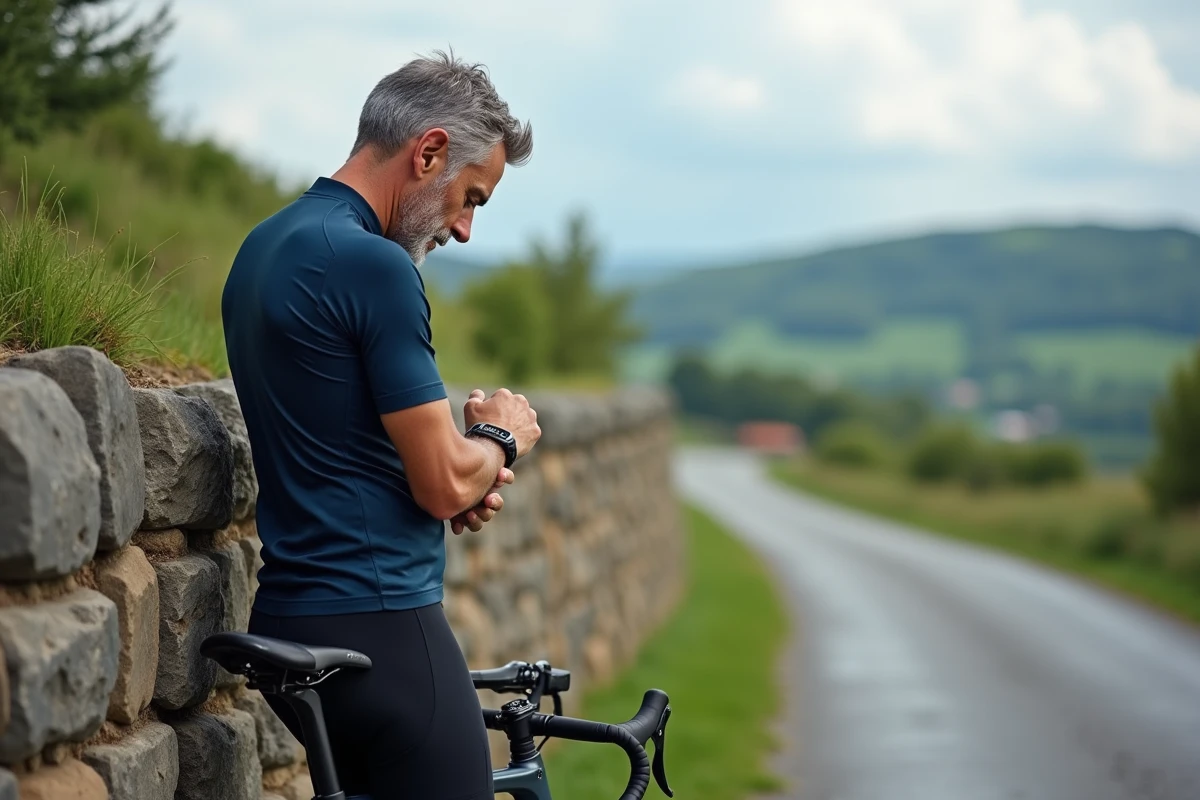
An exclusive runner will find more value in a Forerunner (detailed training profiles, running dynamics metrics, wrist power) than in a general-purpose multisport watch. An athlete who alternates swimming, cycling, and running will prefer a model with integrated multisport profiles and enhanced waterproofing.
Coros, Suunto, and Xiaomi are now regularly featured alongside Garmin and Apple. Coros stands out for its aggressive feature-to-price ratio, while Suunto Race is often cited for its value in multisport. Xiaomi targets the entry-level market with decent GPS and heart rate functions at a much lower price than established brands.
- Running prioritized: Garmin Forerunner (range 265 to 970 depending on budget) or Polar Pacer Pro.
- Outdoor and trail: Garmin Fenix 8, Coros Vertix 2S, or Suunto Race.
- Combined sports and daily life: Garmin Venu 4, Apple Watch, or Samsung Galaxy Watch.
- Tight budget: Coros Pace or Xiaomi, which cover the basic GPS and heart rate functions.
The right choice does not rely on the most expensive or most complete model. A watch suited for a single sport practiced three times a week will be more useful than a multisport watch worn once a month. Identifying your main practice, checking GPS reliability for that discipline, and ensuring that battery life covers the typical duration of your sessions: these three checks are enough to eliminate the majority of unsuitable models.