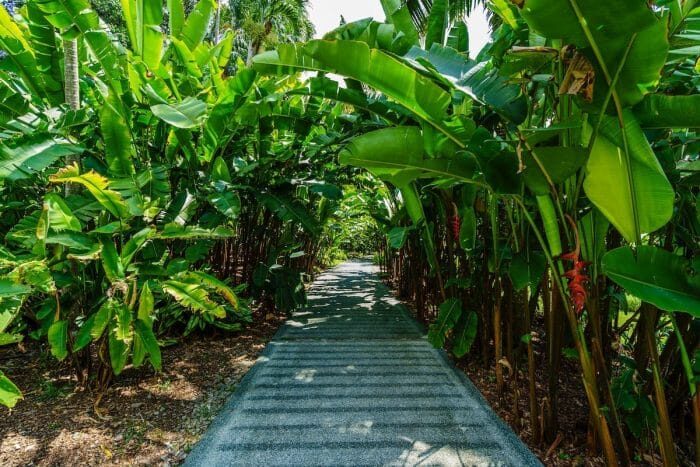
Your dreams of an exotic garden are not out of reach, even if you live in a region that is not typically tropical. It is entirely possible to grow a banana tree in your own green space and create a true tropical paradise. This botanical adventure could transform your outdoor space into a genuine oasis, a place of relaxation where you can escape from the everyday. Here is a practical guide to planting a banana tree, infusing a tropical ambiance into your garden.
Finding the Perfect Spot for Your Banana Tree
After properly preparing the soil, it is now time to plant a banana tree in the ground. To do this, dig a hole that is at least twice the width and depth of the root ball of the plant. The plant should be placed at the center of the hole you prepared earlier.
Carefully place it in the hole: make sure that the top end of the roots is just below the surface level of the soil. Then fill the remaining space around the roots with some of the excavated soil mixed with compost or manure to further enrich the substrate.
Once your banana tree is well positioned, carefully backfill while lightly compacting the soil to eliminate air pockets that can dry out the roots. Ideally, your young shoot should rise about 1 cm above the initial soil level to facilitate watering.
Don’t hesitate to add a protective layer such as mulch made of shredded bark or wood chips about 10 cm all around the base without touching the trunk directly: this step creates a barrier against weeds and also helps retain the moisture necessary for optimal growth.
Immediately after planting, give it a thorough and generous first watering, then continue daily for a few weeks, depending on the weather conditions, until you notice that your banana tree has properly settled in.
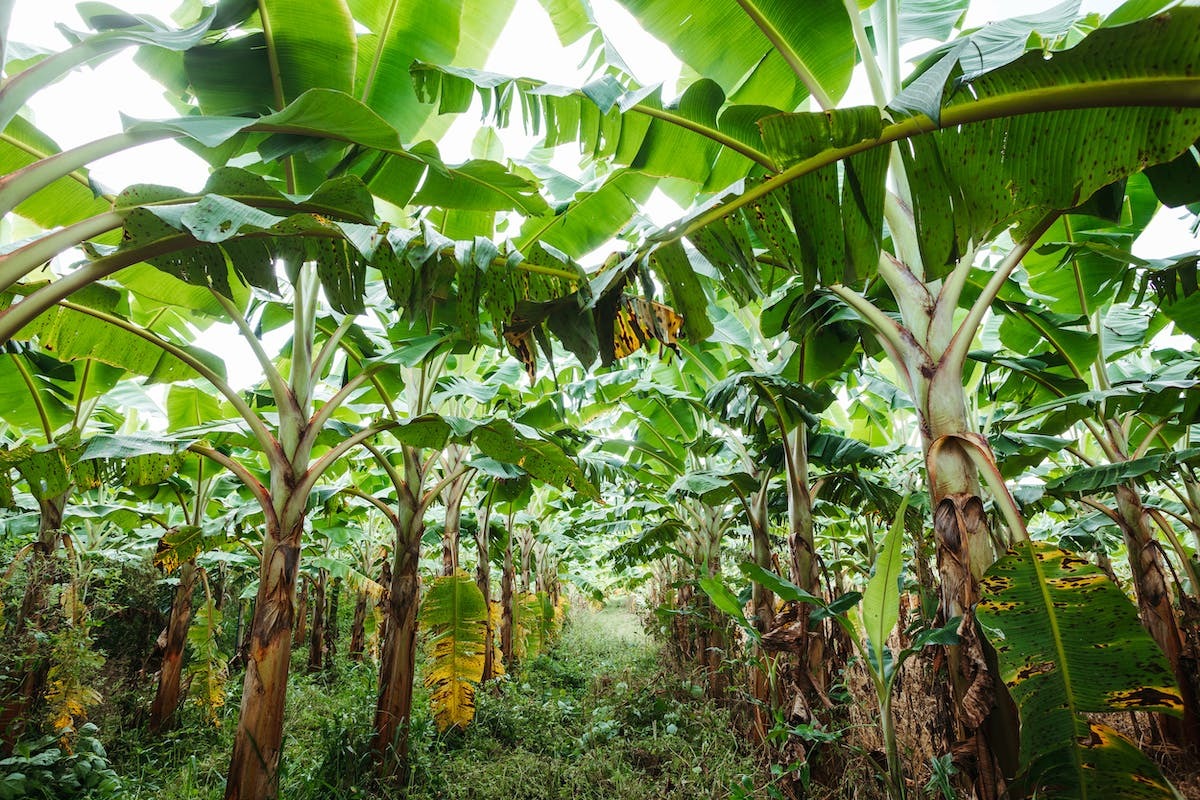
Preparing the Soil for Optimal Growth
Choosing the right type of banana tree for your garden is essential to ensure vigorous growth and abundant harvests. There are several varieties of banana trees from which you can choose based on your taste preferences and the climatic conditions in your area.
You need to distinguish between two main categories of bananas: sweet bananas and plantains. Sweet bananas are those we usually consume as fresh fruit; they are sweet and have a tender flesh. Plantains, on the other hand, are starchier and must be cooked before consumption.
Regarding varieties of sweet bananas, the Cavendish is certainly the most common. This variety is relatively resistant to diseases such as Panama Disease or bacterial wilt virus but may require regular nutrient input to maintain its optimal health. The Dwarf Cavendish is a dwarf version that is particularly suitable for small gardens as it typically does not exceed 2 meters in height.
If you are looking for an alternative with a slightly different taste, then the Lady Finger might be interesting to grow in your garden. This variety has smaller but very flavorful fruits with a creamy texture that will delight your taste buds.
For those who want to discover unique exotic flavors, I highly recommend the Orinoco or the Iholena Lele. The Orinoco produces deliciously sweet fruits with a hint of vanilla, while the Iholena Lele offers tangy bananas that can be eaten raw or used in cooking.
Now let’s move on to plantains. If you enjoy cooking and want to use your bananas to prepare traditional African or Caribbean dishes, opt for the Gros Michel. This variety has firm flesh and a slightly more neutral taste, making it an ideal choice for savory dishes.
Another interesting option is the Mysore, which originates from India. It produces fruits with green skin speckled with black and starchy flesh, perfect for frying or baking.
You should note that some varieties require specific climatic conditions to develop properly. For example, Cavendish bananas prefer warm and humid climates with an average temperature between 20°C and 30°C. Plantains, on the other hand, are more cold-resistant but need a minimum of 10°C to survive.
Choosing the right type of banana tree will depend not only on your personal tastes but also on the climatic conditions in your area. Also consider the space you have in your garden as well as your culinary needs before making your final selection. With a little research and attention to detail, you will surely find the perfect banana tree that will bring a unique tropical touch to your garden oasis.
Choosing the Right Banana Tree for Your Garden
Now that you have chosen the type of banana tree that best suits your garden, it is time to learn how to plant this tropical tree with care and precision. The success of the planting will largely depend on the following steps:
Choose an optimal location: Banana trees prefer sunny areas with well-drained soil rich in organic matter. Avoid places where water stagnates, as this can lead to root rot.
Prepare the soil: Before planting, loosen the soil to a depth of about 30 centimeters using a spade or a tiller. Then enrich it by adding well-decomposed compost or manure to provide the roots with the nutrients they need.
Dig a suitable hole: The hole should be twice as wide and as deep as the banana tree’s root ball. Ensure it is spacious enough to allow the roots to develop freely.
Gently place the plant in the hole: Carefully remove the banana tree from its container or untangle its roots if you are using a bare-root plant. Place it in the center of the hole and make sure the top surface of the root system is level with the surrounding soil.
Carefully backfill: Gradually fill the hole with the soil you removed while lightly compacting to eliminate air pockets. Ensure that the plant is standing straight and centered.
Water generously: Once the banana tree is planted, water it generously to help establish the roots. Make sure the area around the plant remains consistently moist during the first few weeks.
Protect from external elements: To shield your young banana tree from strong winds or extreme temperatures, you can set up a windbreak or use a frost cloth if necessary.
Regular maintenance: Banana trees require regular maintenance to ensure their optimal growth. This includes regular watering, fertilizing with a balanced fertilizer, and removing dead or damaged leaves.
Remember that patience is essential when it comes to growing banana trees, as they can take several months before producing their first harvests. Once established, these majestic trees will add an exotic and lush touch to your garden.
Planting Your Banana Tree with Precision
Once your banana tree is properly planted, you need to take measures to care for it and protect it from diseases and pests. Here are some valuable tips to help you maintain the health of your banana tree:
Monitor closely: You need to watch for diseases or pest invasions. Be vigilant about changes in the appearance of leaves, stems, or fruit.
Proper water management: Bananas need a regular water supply, but excess can lead to root rot or promote the development of pathogenic fungi. Make sure to keep the soil moist but not waterlogged.
Balanced fertilization: Banana trees are nutrient-hungry, so appropriate fertilization is crucial for their healthy growth. Use a balanced fertilizer specially formulated for tropical fruit trees and follow the manufacturer’s instructions.
Protection from cold: In winter, when temperatures drop significantly, it is recommended to protect your banana trees with thick mulch or even a blanket to prevent frost damage.
Biological control against pests: If you encounter pests such as aphids or spider mites, it is better to adopt a biological approach rather than resorting to chemicals. Natural solutions like insecticidal soap diluted in water or using predatory ladybugs can be effective.
Maintaining and Protecting Your Banana Tree from Diseases and Pests
Once you have taken care of your banana tree with attention, your bananas may take several months to ripen, depending on the climate and environmental conditions.
To know if your bananas are ready to be harvested, closely observe their color. When they start to yellow slightly and a few brown spots appear on their skin, it is a sign that they are ripe and ready to be picked.
The recommended method for harvesting bananas is to cut the entire bunch in one swift motion with a sharp knife. Be careful not to damage other bunches or leaves during this operation.